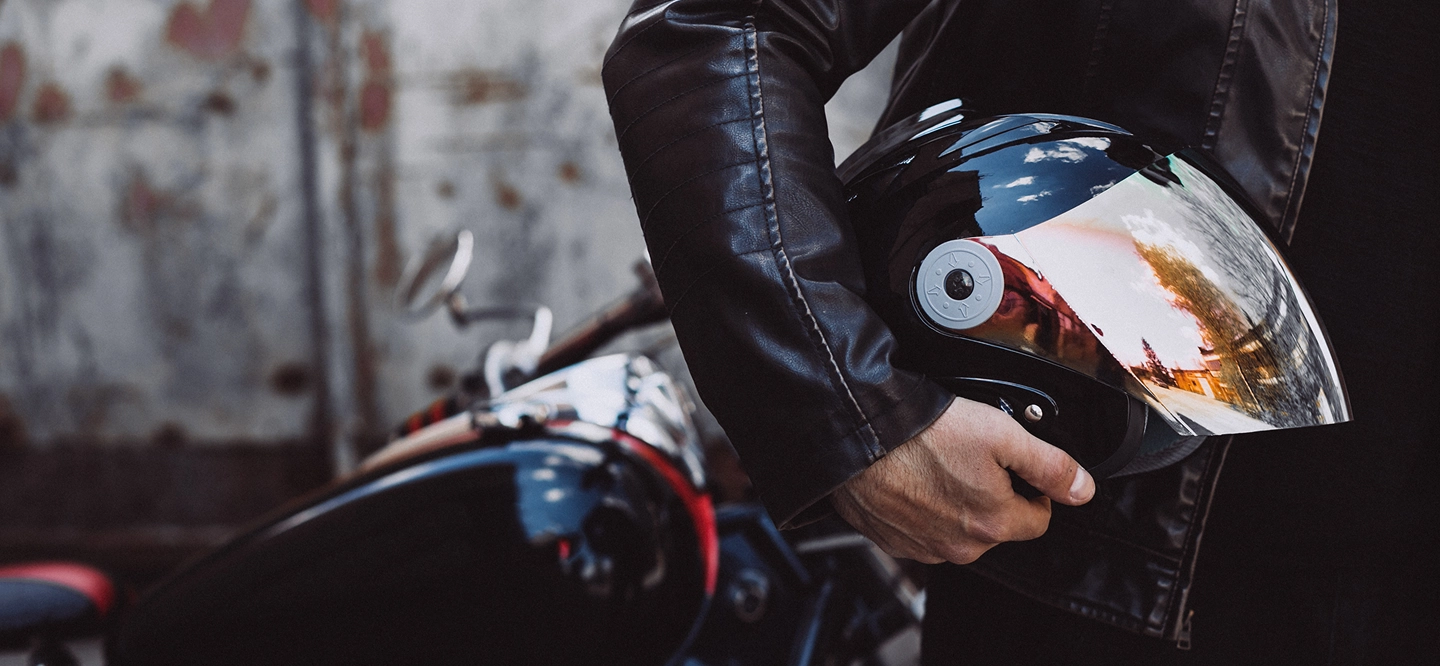
Your face is your calling card: helmets protect it. When it comes to riding, body armor and a
good helmet are your best line of defense. But not all helmets are created equal. A helmet that
looks fine on the outside might not be offering the protection you need. Knowing how to assess
helmet safety could make the difference between walking away from an accident or not.
In this post, we’ll walk you through a quick and easy checklist to determine if your helmet is truly
safe to use. Plus, we’ll show you how you can extend its life—or donate it to help someone else
stay safe on the road.

Get Your Helmet Safety Checklist Today!
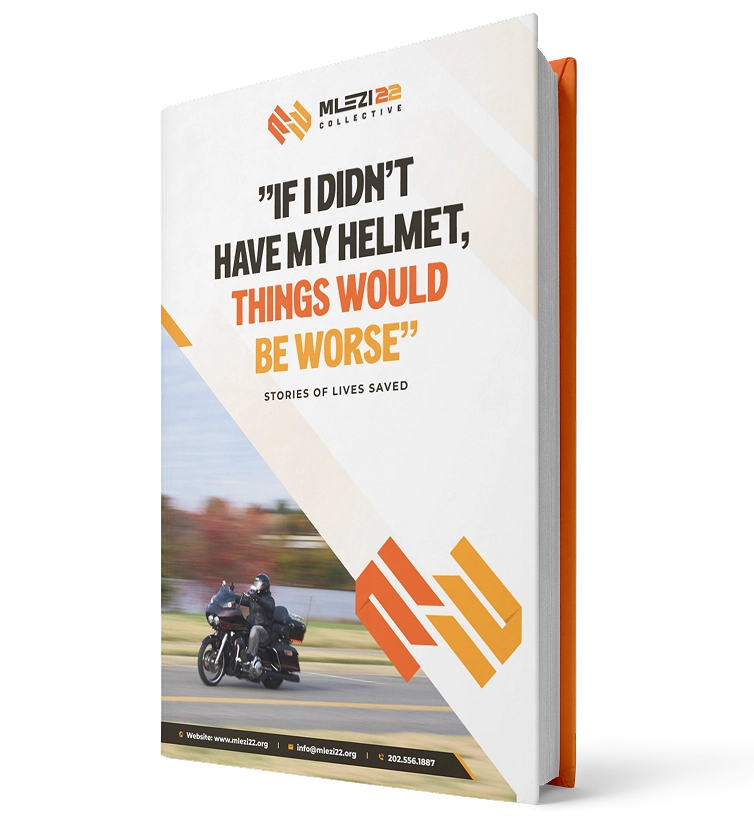
Ready to take helmet safety seriously? Download our free Helmet Safety Checklist PDF and
keep it handy every time you inspect your gear. It’s quick, practical, and designed to help you
stay safe.
Together, we can make sure every rider comes home safely.
The Helmet Safety Checklist
1. Check the Certification
Certification labels such as DOT, ECE, or Snell aren’t just stickers—they’re proof your helmet
has been tested to meet stringent safety standards. These labels often signify impact
resistance, strap strength, and field-of-vision compliance. Without them, you’re taking a
significant risk. If the label is missing or tampered with, it’s a red flag that your helmet might not
provide adequate protection.
2. Inspect the Exterior Shell
The shell is your helmet’s first line of defense. Cracks, dents, or even deep scratches could
mean the integrity of the material has been compromised. Even if the damage seems minor, it could significantly reduce the helmet’s ability to absorb impact. Additionally, a shell that feels unusually soft or brittle is a sign of material degradation and needs to be replaced immediately.
3. Assess the Liner
The foam liner inside your helmet plays a crucial role in absorbing impact during a crash. Check
for indentations, cracks, padding falling out, or signs of wear that could indicate it’s no longer
effective.
Some helmets allow you to remove the liner for closer inspection—if yours doesn’t, gently press
on it to feel for inconsistencies or loose areas. A damaged or missing liner makes the helmet
unsafe.
Your Road to Safety Starts Here
Every rider has a story, and staying safe ensures you can keep living yours. Our free Helmet
Safety Checklist makes it easy to assess your gear and protect what matters most.
Download your copy now and join a movement dedicated to creating a safer future—one ride at
a time.
4. Check the Chin Strap
A secure chin strap ensures your helmet stays in place when it matters most. Test the buckle
and adjusters to make sure they lock firmly and don’t slip under pressure. Frayed edges or
weak stitching compromise the strap’s reliability. Remember, even a perfectly intact helmet can’t
protect you if it’s not properly secured.
5. Look at the Fit
Fit isn’t just about comfort—it’s a safety requirement. A helmet that’s too loose can shift on
impact, leaving parts of your head exposed.
To test the fit, shake your head side to side and up and down; the helmet should remain snug
without pressing painfully.
Over time, padding can compress, making a once-perfect fit too loose, so regularly reassess
how your helmet fits.
6. Age Matters
Even the best helmets have a limited lifespan. Materials like foam and adhesives degrade over
time, reducing effectiveness. Most manufacturers recommend replacing your helmet every five
years, even if it hasn’t been in a crash.
If you’re unsure how old your helmet is, check for a manufacturing date inside the helmet.
What to Do If Your Helmet Fails the Test
If your helmet is no longer safe to use, the sad reality is that it’s time for a new one. While it’s
tempting to keep going with it, at the end of the day safety is the most important consideration.
You can’t put a price on safety, so we encourage you to repurpose it for something else if you
can, and if not it’s time for it to go in the trash.
Download Your Free Helmet Safety Checklist
Want a quick, printable version of this checklist? We’ve got you covered. Download our free
Helmet Safety Checklist PDF and take it with you whenever you’re assessing your gear.
By staying informed and ensuring your helmet is safe, you’re protecting yourself and helping to
build a culture of safety among riders everywhere. Together, we can save lives—one helmet at a
time.