
If you’ve ever shopped for a helmet, you’ve likely seen labels like DOT, ECE, or Snell. But what
do these certifications mean, and why do they matter? Understanding helmet safety standards
is key to making informed decisions about your gear and ensuring you’re properly protected on
the road.
In this post, we’ll break down the most common helmet safety standards, how they’re tested,
and what you should look for when choosing your helmet.
The Most Common Helmet Safety Standards
1. DOT (Department of Transportation)
The DOT (Department of Transportation) standard is a crucial safety benchmark for helmets
used in the United States. It ensures helmets meet essential safety requirements to protect
riders in case of accidents.
To earn the DOT certification, helmets must pass tests for impact absorption, resistance to
penetration by sharp objects, and the ability of the retention system (like the chin strap) to keep
the helmet securely on your head during an accident.
Unlike some other certifications, DOT allows manufacturers to self-certify their helmets, but they
must comply with rigorous federal regulations. This makes DOT-certified helmets a reliable
choice for everyday riders looking for solid protection without breaking the bank.
2. ECE (Economic Commission for Europe)
The ECE (Economic Commission for Europe) standard is recognized in over 50 countries and is
widely regarded as one of the most thorough and reliable helmet safety certifications. Helmets
certified to ECE standards are subjected to detailed testing processes that assess their ability to
absorb impact, the strength of their chin straps, and whether they provide a sufficient field of
vision for riders.
What sets the ECE standard apart is that all testing is conducted by certified, independent
laboratories, ensuring a high level of consistency and impartiality. As a result, this label can
provide peace of mind that your helmet meets stringent international safety criteria
3. Snell Memorial Foundation
The Snell Memorial Foundation certification is entirely voluntary but is often seen as a gold
standard in helmet safety. It goes beyond the basic requirements set by other certifications,
offering a higher level of assurance for riders who want the best protection.
Snell-certified helmets are subjected to more rigorous testing for impact resistance and
penetration than other standards. Additionally, these helmets undergo specialized tests tailored
for racing and other high-performance activities, ensuring they can withstand extreme
conditions.
Many riders, especially those involved in competitive motorsports, choose Snell helmets
because of the extra layer of safety they provide, making them a trusted choice for those who
want maximum peace of mind on the road.
Why Safety Standards Matter
Safety standards aren’t just stickers—they’re proof your helmet has been tested to protect you
in critical ways. They ensure:
- Impact Protection: Helmets can absorb and distribute energy during a crash
- Retention: Helmets stay securely on your head under stress.
- Penetration Resistance: The outer shell can withstand sharp objects without compromising the inner liner.
What to Look For When Choosing a Helmet
- Certification Label: Check for DOT, ECE, or Snell certifications—these guarantee your helmet meets essential safety requirements.
- Fit and Comfort: A certified helmet is only effective if it fits properly. Try different models to find one that feels snug but comfortable.
- Purpose: Consider your riding style—a casual commuter may need different features than a motocross rider.
Stay Informed, Stay Protected
Understanding helmet safety standards gives you the knowledge to make smarter choices and
ride with confidence. Remember, certifications are there for your protection—don’t settle for a
helmet without one.
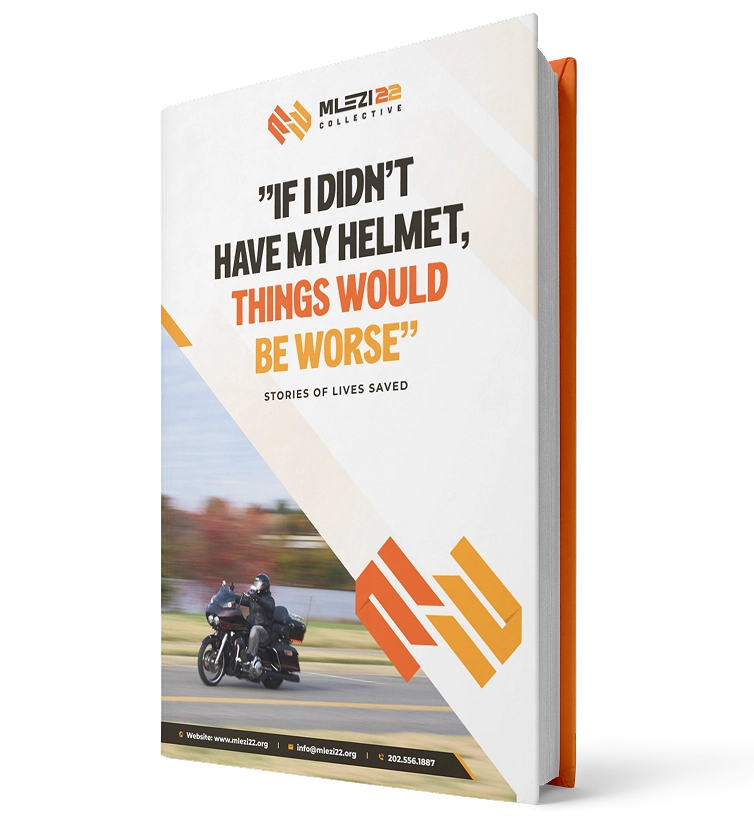
Want to keep this information handy? Download our “Helmet Safety Standards Guide” for a
quick reference to the most common certifications and what they mean.